When the Business Outgrows the Logo: A Field Guide to Rebranding Milestones
Every small business owner eventually meets the same awkward moment: standing at a trade show booth, reviewing a wholesale agreement, or scrolling their own website, and realizing the brand that launched the company now undersells it.
A logo sketched on a Saturday afternoon in 2019 can carry a business remarkably far. But growth changes the stakes. The visual identity that charmed a farmers market crowd may falter in a retail aisle, a pitch deck, or a national e-commerce listing. The question is never whether a brand will need to mature — it is when, and what signals should prompt the conversation.
Milestone One: The Product Line Expands
The first trigger is often innocent enough. A candle maker adds room diffusers. A bakery launches a shipping-friendly granola. Suddenly, the packaging system built around a single product must stretch across three or four.
When new products require awkward workarounds — a different font here, an improvised color there — the brand is no longer a system. It is a collection of exceptions. A mature identity anticipates expansion: a flexible logo suite, a defined palette with room to breathe, packaging templates that scale. If every new SKU demands a design debate, the brand architecture beneath the business is too thin.
Milestone Two: You Enter Wholesale or Retail
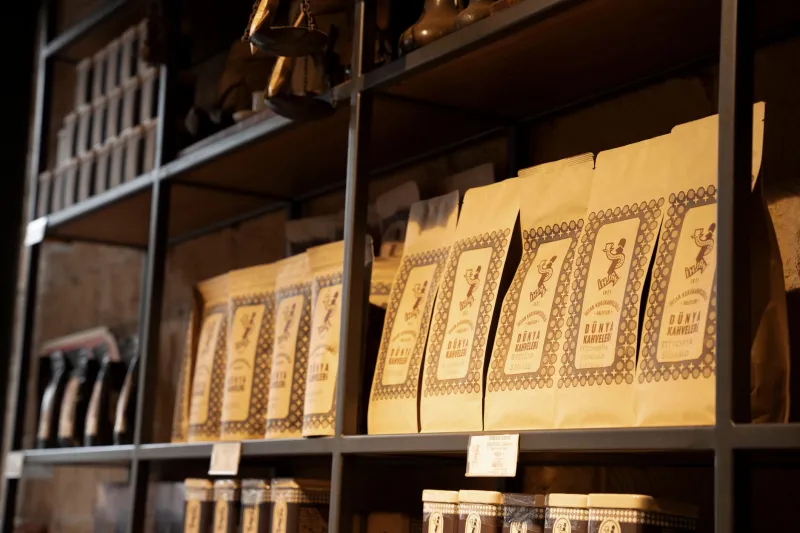
Nothing tests a brand like a shelf it does not control. On your own website, you can surround your products with your story, your photography, your voice. On a retailer's shelf, the brand stands alone, three feet from competitors with deep pockets and professional design teams.
Retail buyers notice. So do shoppers, in the two seconds they give a package before moving on. A business moving into wholesale — whether regional grocers, boutiques, or national chains like Nordstrom or Whole Foods — needs shelf presence that communicates quality at a glance. This is consistently the moment when DIY branding stops being charming and starts being expensive.
Milestone Three: The Price Point Rises
Consider a jewelry maker who begins as a craft-fair favorite, then lands a commission for bridal pieces at a significant premium. The hand-lettered logo that felt approachable at $30 earrings may feel flimsy on a $900 engagement ring box.
Perceived value is a design outcome. Typography, materials, spacing, and restraint all signal whether a product belongs at a given price. When a business raises its prices, its identity must justify them — or quietly undermine every sale.
Milestone Four: You're Selling to Businesses, Not Just Friends
Early customers are often friends, neighbors, and Instagram followers who forgive rough edges. Growth brings strangers: procurement managers, franchisees, investors. These audiences evaluate a brand differently, and they notice inconsistencies that early customers never mentioned.
A useful exercise: audit every touchpoint — invoices, email signatures, shipping boxes, social templates — and ask whether they look like they came from the same company. If the answer is no, the brand has outgrown its foundations.
What Maturing a Brand Actually Looks Like
A rebrand at this stage is rarely a total reinvention. More often it is a refinement: the handwritten mark redrawn with professional weight, a palette systemized, a secondary typeface introduced, packaging rebuilt on a repeatable grid. The goal is continuity — the regulars should still recognize you — paired with the polish that new, larger audiences expect.
The pattern across every milestone is the same. Growth does not demand a new brand; it demands a brand built for where the business is going, not where it began. Recognizing the moment is half the work. Acting on it, before the seams show in public, is the other half.