Saying No Without Losing the Client: The Hardest Conversation in Branding
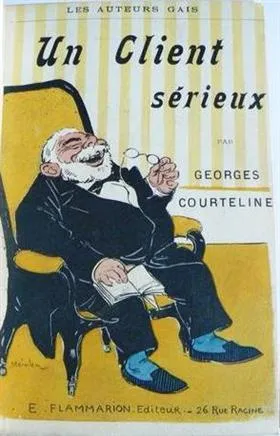
Photo: Théophile Steinlen, Public domain, via Wikimedia Commons
Every designer has one. The color, the symbol, the trend that a client loves and that the strategy says will sink them. Mine was a particular shade of teal — or so the client described it — that turned out, on screen, to be closer to a hospital corridor green. It was their favorite color. Their spouse's favorite color. The color of their first car. And it was, by every measure in my discovery report, wrong for their market.
This is the part of the job nobody puts on the invoice: the negotiation between what a client wants and what their brand needs. Handled well, it builds trust. Handled badly, it ends engagements and, occasionally, relationships.
Why 'The Customer Is Always Right' Falls Apart in Design
The phrase was coined for retail, not for professional judgment. You don't hire an accountant to tell you what you want to hear about your books, and you shouldn't hire a brand designer to execute a mood. Yet the dynamic is seductive: the client is paying, the client has taste, the client has lived inside this business for years. Who am I to disagree?
The honest answer is that the client knows their business and I know their audience. Those are different kinds of knowledge, and a brand sits at the intersection. A founder's favorite color tells me about the founder. A color strategy tells me about the customer in Columbus or Dallas or Portland who is deciding, in three seconds, whether to trust this company with their money.
The Teal That Almost Was
Back to the client. They ran a financial advisory practice — conservative clientele, high stakes, low tolerance for whimsy. The teal they wanted read as casual at best and clinical at worst. I could have said "sure" and delivered a technically competent identity built on a strategic hole. Plenty of designers do. The client would have been happy for a week.
Instead, I did three things.
First, I separated the preference from the person. The conversation was never "you have bad taste." It was "this color is doing a job, and here's the job it's doing in your market." We looked at competitor palettes side by side. We looked at the associations their target demographic carries — research-backed, not vibes-based. The teal became a subject of analysis rather than an expression of identity.
Second, I gave them a version of what they loved. Compromise is not surrender. I built a secondary palette that honored the emotional pull of that color in a context where it couldn't do damage — interior accents, social media, the waiting room chairs. The primary palette went a different direction. Clients rarely need to be told no so much as they need to be shown where their instinct can live safely.
Third, I made the strategy the authority, not me. When the decision is framed as designer-versus-client, someone has to lose. When it's framed as both of us serving the strategy we agreed to in discovery, the strategy takes the pressure. I wasn't rejecting their color; the positioning document was. That document had their sign-off on it. We were just holding each other to it.
What This Costs — and What It's Worth
There is a real risk in pushing back. I've had prospects walk. I've had a client agree in the room and quietly revert to their favorite color in the final files, which is its own kind of outcome. Pushback only works when it's grounded in the discovery work, delivered early, and offered with an alternative — never as a flat refusal.
But here's what I've learned across enough engagements: clients don't remember the designer who agreed with everything. They remember, usually with relief, the one who told them the truth before the business cards were printed. A brand is a long-term asset. Taste is a mood. The entire value of hiring a professional is the difference between the two.
If you're commissioning identity work, ask your designer directly: what would you talk me out of? A designer with a point of view — one who can answer that question with specifics and a rationale — is worth more than one who will render anything you can describe. The best engagements I've run, including the teal incident, ended the same way: with the client saying some version of "I never would have seen it that way myself."
That sentence is the job. Everything else is just making things look nice.